
Cemetery Etiquette: What to Know Before You Visit
When you visit a cemetery, dress modestly to show respect. Honor gravestones and markers by leaving flowers as tributes. Stay on designated pathways for a peaceful atmosphere. Keep your demeanor quiet and reflective. Remember to take all personal items when you leave. To understand more about cemetery etiquette, continue exploring the recommendations for photography, visiting hours, and historical significance.
Key Takeaways
- Dress modestly and somberly to show respect.
- Decorate with flowers and honor gravestones.
- Stay on designated pathways for tranquility.
- Maintain a quiet demeanor for reflection.
- Leave no personal items behind to preserve cleanliness.
Dress Appropriately
When visiting a cemetery, it's important to dress appropriately to show respect for the solemn environment and those who rest there. Understanding etiquette tips, cultural norms, attire guidelines, proper behavior, and visitor expectations can help guarantee your visit is respectful and considerate.
Etiquette tips suggest wearing attire that's modest, somber, and respectful. Opt for subdued colors like black, grey, or navy blue, and avoid flashy or revealing clothing. In many cultures, this attire signifies mourning and respect for the deceased.
Cultural norms regarding attire in cemeteries may vary, so it's crucial to be aware of the customs of the specific place you're visiting. Some cultures may have specific traditions or expectations when it comes to dressing for a cemetery visit.
Following attire guidelines not only demonstrates respect for the deceased but also shows consideration for other visitors and their grieving process. By dressing appropriately, you create a more harmonious environment for everyone present.
Proper behavior, including dressing respectfully, is crucial to honoring the sanctity of the cemetery. Visitors are expected to conduct themselves with decorum, understanding the solemnity of the place and the emotions of those who come to pay their respects.
Respect Gravestones and Markers
To honor those laid to rest, it's crucial to show respect for gravestones and markers when visiting a cemetery. These monuments hold not just names but stories of lives lived, making them deserving of reverence.
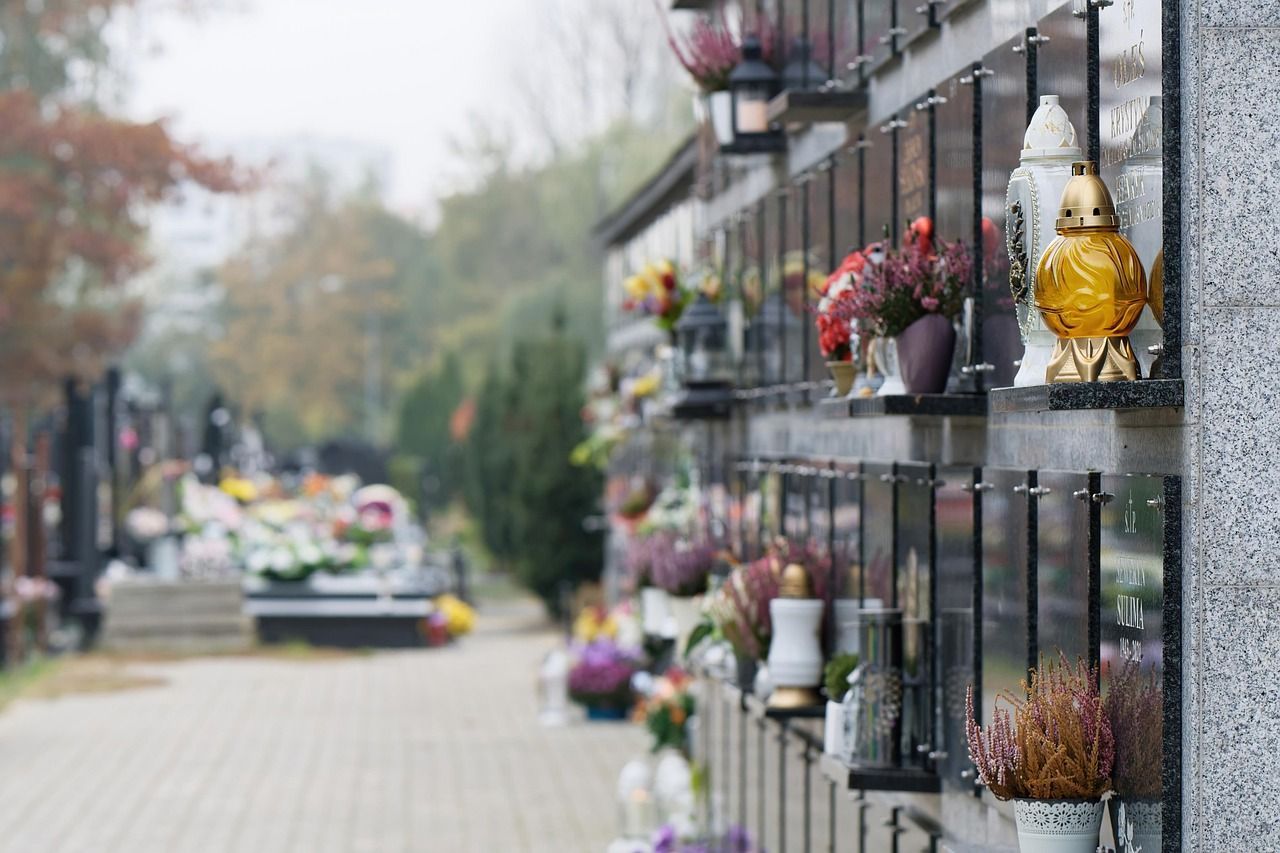
When paying your respects, remember that decorative tributes like flowers, candles, or small tokens can be a way to show your respect and care. These gestures not only honor the deceased but also offer comfort to their loved ones who visit.
Gravestones often carry historical significance, providing a window into the past and the lives of those who came before us. By treating these markers with respect, you help preserve the memory of individuals and their contributions to society.
Moreover, many symbols engraved on gravestones hold deep meaning, so it's crucial to be mindful of these symbolic gestures and their cultural traditions.
As you walk among the gravestones, you may feel a personal connection to some, whether through shared experiences or a sense of empathy. Acknowledge these connections with a moment of reflection or a silent prayer, honoring the interconnectedness of all lives.
Follow Designated Pathways
Respect the solemnity of the cemetery grounds by adhering to the designated pathways provided. When visiting, it's crucial to follow these pathways to maintain the tranquility and order of the space. As you walk along these designated routes, remember to bring flowers to honor your loved ones. Placing flowers at their resting place is a gesture of remembrance and respect.
Mind your surroundings as you navigate the cemetery. Be mindful of other visitors and maintain a quiet and peaceful atmosphere. Following the rules of the cemetery demonstrates your understanding and respect for the sacred nature of the space. Stay respectful by refraining from straying off the pathways or engaging in any behavior that could disturb the peace of others who are visiting their loved ones.
Walk calmly and with reverence as you move through the cemetery. The act of walking calmly shows your respect for the resting souls and their families. By adhering to the designated pathways, you contribute to the overall serenity of the cemetery, creating a peaceful environment for all who come to pay their respects.
Maintain a Quiet Demeanor
Maintain a tranquil atmosphere by observing a quiet demeanor when visiting the cemetery. It's crucial to uphold respectful behavior and noise control to guarantee a serene environment for all visitors.
Here are some key points to help you maintain a reverent attitude during your visit:
- Respectful behavior: Approach the cemetery with the utmost respect for the deceased and their families. Keep in mind that it's a place of remembrance and reflection.
- Noise control:
Be mindful of your surroundings and keep noise to a minimum. Avoid loud conversations, music, or any disruptive behavior that could disturb others.
- Reverent attitude: Show reverence for the sacredness of the cemetery. Walk quietly, refrain from running or playing, and maintain a solemn demeanor.
- Mindful presence: Be present in the moment and focus on your surroundings. Take the time to appreciate the beauty of the cemetery and the memories it holds.
As you navigate the cemetery, engage in silent reflection and allow yourself to connect with the peaceful atmosphere. Your mindful presence and respectful behavior contribute to the overall tranquility of the cemetery, creating a space where visitors can pay their respects in a calm and contemplative manner.
Leave Nothing Behind
When visiting the cemetery, make sure you carry out a thorough check to guarantee you leave behind no personal items or belongings. It's vital to exhibit respectful behavior by not leaving anything that could disrupt the serenity of the space or potentially impact the environment. Personal belongings, such as trinkets, notes, or photographs, should be taken with you when you leave to maintain the area's tranquility and cleanliness.
Consider the environmental impact of what you leave behind. Items like plastics, metals, or non-biodegradable materials can harm the ecosystem and wildlife in and around the cemetery. Opt for natural and biodegradable options when leaving floral arrangements to minimize any negative effects on the environment.
Be mindful of cultural differences when it comes to leaving items at gravesites. Some cultures may have specific customs or taboos regarding personal belongings or floral arrangements in cemeteries. Understanding and respecting these differences is vital to ensure you aren't inadvertently causing offense or disrespect.
Photography Guidelines
Consider capturing the essence of the moment with sensitivity and respect when taking photographs at the cemetery. Here are some key guidelines to keep in mind:
- Lighting Techniques: Opt for natural light when possible to create a soft and reverent atmosphere in your photos.
- Camera Settings: Adjust your camera settings to guarantee proper exposure and focus, capturing the scene in a clear and respectful manner.
- Ethical Considerations:
Respect the solemn nature of the cemetery by refraining from intrusive or inappropriate photography, always seeking permission if photographing specific graves or monuments.
- Cultural Sensitivities: Be aware of any cultural customs or taboos regarding photography in cemeteries, ensuring that your actions are in line with the local beliefs and practices.
- Privacy Concerns:
Avoid including identifiable individuals in your photos without their consent, respecting the privacy of visitors and families who may be present.
Consider Visiting Hours
When planning your visit to the cemetery, be mindful of the designated visiting hours to make sure you honor the peaceful environment and respect the needs of others present. Understanding the visiting hours ensures that you can pay your respects without disrupting any ongoing services or maintenance activities.
During your visit, consider the appropriate timing for placing floral arrangements. It's advisable to check the regulations regarding flowers to maintain the cemetery's aesthetic appeal and prevent any inconvenience to the groundskeepers.
Parking options may vary based on the cemetery's size and layout. Be considerate when parking, ensuring that emergency access routes are kept clear and that your vehicle doesn't obstruct other visitors.
Family gatherings can be a meaningful way to remember loved ones, but it's important to be mindful of other visitors. Respect their space and maintain a quiet and respectful atmosphere during your gathering.
Weather considerations are significant when planning your visit. Dress appropriately for the conditions to guarantee your comfort and be prepared for any potential changes in weather during your time at the cemetery.
Lastly, take a moment to appreciate the historical significance of the cemetery you're visiting. Many cemeteries hold cultural and historical value, so acknowledging this adds depth to your visit and shows respect for the site and its importance.
Frequently Asked Questions
Can I Bring My Pet to the Cemetery?
You can't bring your pet to the cemetery due to pet restrictions. Consider animal behavior, respect cemetery rules, and boundaries. Instead, honor your pet with a memorial at home or in a pet-specific resting place.
Is It Okay to Pick Flowers From the Graves?
You should never pick flowers from graves. It is crucial to respect grave decorations, floral arrangements, and memorial tributes left by loved ones. These gestures honor the deceased and comply with cemetery rules.
Are There Specific Rituals I Should Follow?
When visiting cemeteries, it's important to honor cultural traditions, show respectful behavior, acknowledge spiritual significance, respect personal boundaries, and consider historical context. These rituals can help create a meaningful and reverent moment.
Should I Notify Someone Before My Visit?
Before visiting, it's considerate to notify someone. It aligns with cultural norms, respects personal boundaries, and shows common courtesy. Making prior arrangements guarantees a smooth visit, acknowledging the importance of thoughtful communication in such sensitive moments.
What if I Encounter Wildlife in the Cemetery?
If you encounter wildlife in the cemetery, prioritize animal safety. Respect wildlife behavior, keep your distance, and avoid feeding or approaching cemetery animals. Stay calm, move slowly, and if needed, seek assistance in dealing with animals.
As you leave the cemetery, remember that each step you take echoes the passage of time and the memories left behind.
Just as the gravestones stand as symbols of lives once lived, may your visit serve as a tribute to the enduring spirit of those who rest here.
Walk away with a heart full of reverence and a mind enlightened by the stories etched in stone, carrying the essence of this sacred place with you always.