Honoring Loved Ones: How to Choose the Right Memorial Service
Losing a loved one is one of life’s most profound and challenging experiences, and the journey of saying goodbye can feel overwhelming. Memorial services offer an opportunity to honor their life, share cherished memories, and find comfort surrounded by family and friends. Choosing the right type of service is a deeply personal decision that allows you to create a meaningful tribute reflecting your loved one’s unique spirit, values, and impact on others. A well-planned memorial can bring together people who cared deeply for the departed, offering space for connection, healing, and remembrance.
When selecting a memorial service, it’s helpful to explore the different options available to ensure the service aligns with your loved one’s wishes, beliefs, or legacy. This guide provides insights into traditional and modern memorial styles, as well as unique personalization options, helping families make thoughtful choices during this significant time. We will also cover key factors to consider when planning, such as location, religious customs, and ways to involve family and friends in honoring their loved one. By offering information and support, our goal is to ease some of the decision-making, allowing you to focus on creating a heartfelt, lasting tribute that celebrates the life of someone truly cherished.
Understanding Different Types of Memorial Services
Choosing the right type of memorial service is a key step in planning a meaningful tribute. Each service type offers a unique way to honor a loved one’s life, reflecting their personality, beliefs, and the ways they touched the lives of those around them. Here are some of the most common options, each offering families a different approach to remembrance and connection:
Traditional Funeral Service
A traditional funeral service usually includes multiple elements, such as a visitation or viewing, a formal funeral ceremony, and a graveside service at the cemetery. This structured approach allows family and friends to gather together in a familiar setting to share memories, express their love, and offer support to one another. A traditional service often follows cultural or religious customs, incorporating prayers, hymns, or readings that bring comfort and honor the deceased. This type of service provides an opportunity for family members and friends to publicly share stories and reflections, creating a heartfelt tribute.
Cremation Services
Cremation has become an increasingly popular option, providing flexibility for families in how they choose to memorialize their loved one. Cremation can be part of a traditional service with a viewing beforehand, or it can stand alone. Many families find comfort in the ability to hold a ceremony at a later date, allowing for careful planning or travel arrangements for family members. Cremated remains can be kept in a special urn, scattered in a meaningful place, or transformed into keepsakes, offering a personal touch that reflects the unique relationship shared with the departed.
Memorial Service
A memorial service focuses on celebrating the life of the deceased without their physical presence, allowing families more time for planning and customization. This service type can be held weeks or even months after passing, making it accessible for distant family members and friends. Memorial services can be highly personalized, often held in locations that were significant to the deceased, such as a beach, garden, or family home. They typically include eulogies, photo displays, and music, creating an atmosphere that reflects the individuality of the person being remembered.
Graveside Service
For those who prefer a simpler, more intimate ceremony, a graveside service held at the burial site offers a serene setting. This option allows for a focused gathering, where family and friends can share quiet reflections, readings, or prayers. Often led by a minister, family member, or close friend, the graveside service can be a brief yet meaningful tribute that respects the wishes of those who want a modest and peaceful farewell. The natural surroundings of the cemetery can provide a sense of closure and calm during a time of grief.
Veteran Services
For those who served in the military, veteran services offer a dignified and respectful farewell that honors their dedication and contributions. Often held with military honors, this service may include traditional elements like the playing of "Taps," the folding and presentation of the flag, and a gun salute, depending on the individual’s service record and rank. Veteran services can be incorporated into a traditional or memorial service, or held independently, offering a proud tribute that acknowledges the sacrifices made for their country. Family members often find comfort in this honorable farewell, knowing their loved one is recognized for their commitment and bravery.
Each of these service types provides a different way to remember and celebrate a loved one, allowing families to find the approach that feels most fitting. By choosing a service that reflects the deceased’s personality and values, families can create a tribute that honors their legacy in a way that feels both meaningful and comforting.
Personalization Options for a Heartfelt Tribute
Personalizing a service can make it more meaningful. Here are some ways to add special touches to honor your loved one:
Memory Tables and Photo Displays
Displaying cherished photos, memorabilia, or even items from your loved one’s hobbies can provide guests with insight into their life.
Music Selection
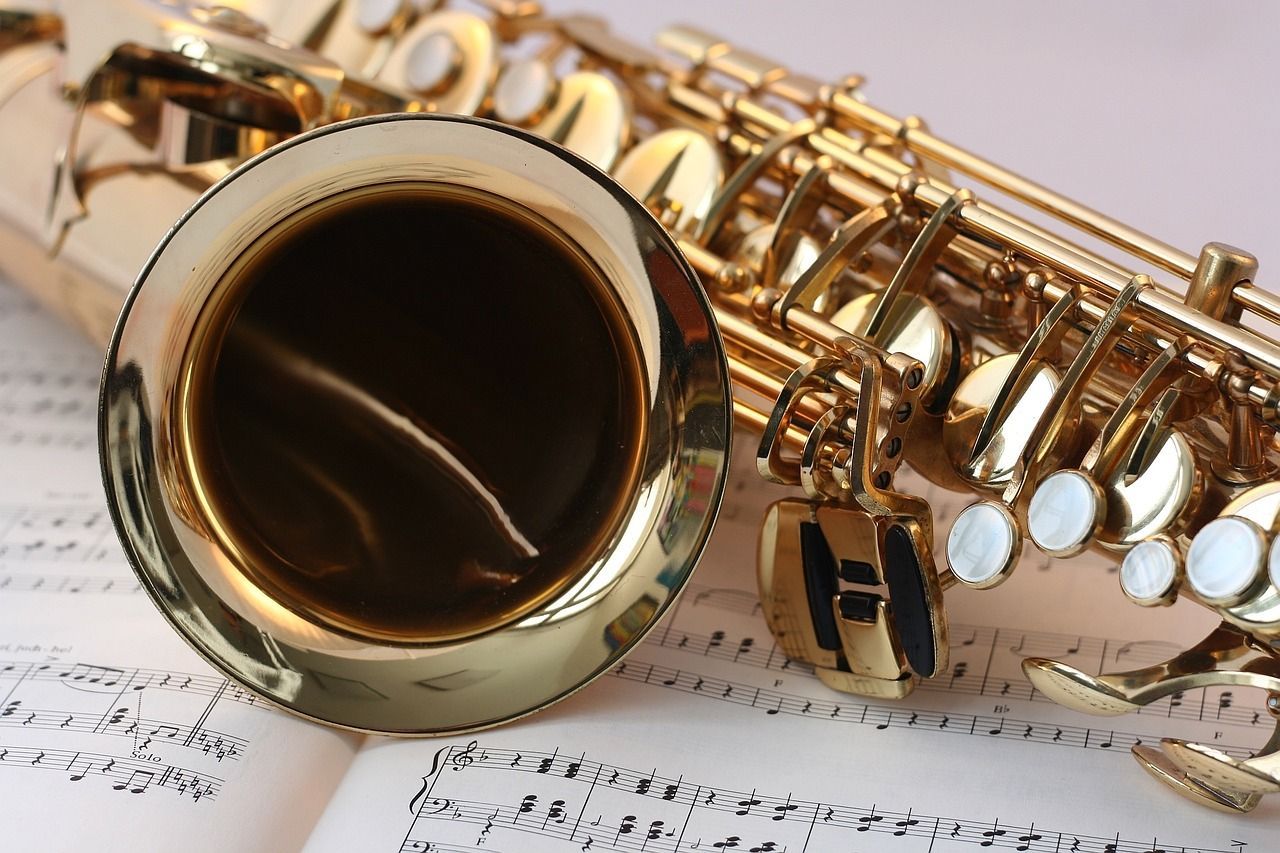
Selecting meaningful music can set the tone and evoke cherished memories. Consider choosing songs that had special significance to your loved one.
Eulogies and Personal Readings
Including eulogies or personal readings allows family members and friends to share memories, stories, and sentiments, creating a truly personal touch.
Memorial Keepsakes
Offering keepsakes, such as remembrance cards, bookmarks, or small tokens, can provide guests with a tangible way to remember their loved one.
Factors to Consider When Choosing a Service
When planning a service, several factors come into play, and it’s essential to find a balance that respects your loved one’s wishes and the needs of the family.
- Religious or Cultural Beliefs: Ensure that any rituals or practices align with your loved one’s values.
- Budget Considerations: Funeral costs can vary significantly; choosing options that are financially manageable can help ease stress.
- Location and Accessibility: Consider the location’s convenience for family and friends who may need to travel.
- Availability of Memorial Products: Many families find comfort in selecting specific caskets, urns, or memorial markers that resonate with their vision for the service.
Honoring Veterans with Dignified Services
Veterans have served their country with honor, and there are unique options to acknowledge their service.
Military Honors
Military honors can include the playing of taps, a rifle salute, and the presentation of the folded flag to the family. This tradition offers a solemn and respectful farewell.
Veteran-Specific Memorials
Some cemeteries offer special memorial areas for veterans. These spaces are often marked with symbols of honor, creating a place of remembrance that reflects the service and sacrifice of our military.
Incorporating Cultural and Religious Traditions
Culture and religion often shape how families honor their loved ones, and integrating these elements into a service can provide comfort and continuity.
Common Religious Practices
Different faiths have unique traditions. Understanding these can help ensure the service reflects the spiritual beliefs of your loved one.
Cultural Customs
Cultural traditions, such as specific rites, rituals, or symbolic acts, provide families with an opportunity to create a service that resonates deeply with their heritage.
Choosing the Right Memorial Products
Memorial products allow families to keep a lasting reminder of their loved one. Here are some options commonly available:
- Burial Caskets and Vaults: Choose from a range of caskets and vaults, from simple designs to more ornate options.
- Urns and Urn Vaults: Cremation urns come in various styles and materials, allowing you to select one that honors your loved one’s memory.
- Memorial Markers: Markers can be customized to include inscriptions, symbols, or even images that reflect the person’s life and legacy.
- Keepsakes: Smaller keepsakes, like jewelry or mini-urns, allow family members to keep a part of their loved one close.
Planning a Meaningful Memorial Service on a Budget
While memorial services can be costly, there are ways to create a beautiful tribute without exceeding your budget.
- Choose Basic Service Options: Opting for a simple service can be both meaningful and affordable.
- Select Cost-Effective Products: There are a range of memorial products at different price points.
- Consider Community Support: Churches, local organizations, or veterans’ associations may offer support to help reduce expenses.
Frequently Asked Questions
- What is the difference between a funeral and a memorial service? A funeral service typically includes the presence of the deceased, while a memorial service takes place without them physically present, often after cremation.
- Can I have both a traditional service and cremation? Yes, a traditional service followed by cremation is an option that allows for a full-service funeral, with cremation afterward.
- What are some ways to personalize a memorial service? Consider incorporating memory tables, custom music, personal readings, and keepsakes to make the service uniquely reflective of your loved one.
- Are there specific services for veterans? Yes, many funeral homes offer veteran services, which may include military honors and specialized memorials that recognize the service and sacrifice of veterans.
- How can I make a service more affordable? Choosing simple service options, opting for basic memorial products, and exploring community support can help manage costs effectively.
- Is a graveside service a full service? A graveside service is usually a shorter, simpler service held at the burial site, which can be a standalone option or an addition to a traditional service.
- What type of products are available for memorializing a loved one? Options include burial caskets, cremation urns, memorial markers, keepsakes, and more, each providing a way to honor and remember your loved one.
Planning a memorial service is a deeply personal experience, and each family’s needs and desires are unique.
Peel Funeral Home is here to support you through every step of this journey, offering a range of services and personalized options to help honor your loved one’s life. If you’d like more information or guidance, please don’t hesitate to
reach out to our team. We’re here to help you create a meaningful farewell that respects and celebrates their memory.
For additional insights on planning, honoring, and remembering your loved ones, explore our other
blog posts. Our articles offer helpful tips, resources, and ideas to support you in making thoughtful choices during this important time.